
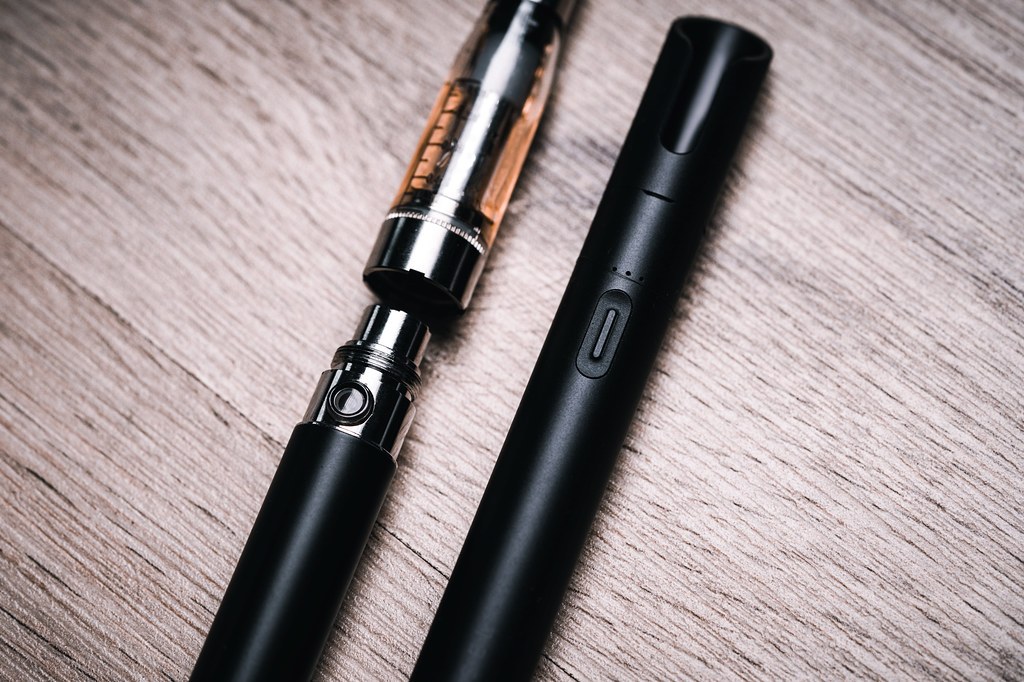
Most people think buying a high-end cartridge is the secret to a good session, but they’re wrong. You can spend a fortune on premium oil, yet if your battery is a cheap piece of junk, you’re essentially throwing money into the trash. The hardware is the silent killer of the whole experience.
We see it all the time. Someone buys a top-shelf cartridge, plugs it into a battery that looks like a toy, and then complains that the flavor is gone. It isn’t the oil. It’s the voltage, the connection, or a fundamental failure in the physics between the coil and the power source.
The 510 connection is the industry standard for a reason, but people often misunderstand it. It’s a simple screw-on mechanism. It shouldn’t be complicated, yet people treat it like some mystical art form. It’s just electricity meeting resistance. If you don’t respect the connection, you’ll have a bad time.
If you actually want to taste what you paid for, stop ignoring the mechanics. Most users are driving a Ferrari with bald tires. They focus on the fuel, the oil, and completely ignore the machine that actually makes the car move. That machine is your battery and the threads that connect it.
The Physics of the Connection
A 510 thread is a standardized screw-on system. It relies on a single center pin that makes contact with the bottom of your cartridge. That pin is the heartbeat of the setup. If that pin is too long, it won’t touch. If it’s too short, it won’t engage. It’s a delicate balancing act of millimeters.
When you screw a cartridge onto a battery, you’re creating a circuit. The center pin carries the current into the coil inside the cartridge, and the outer sleeve of the cartridge completes the loop back to the battery. If there is any grit, oil residue, or even a tiny bit of lint in those threads, the circuit fails, or worse, it shorts out.
We’ve seen batteries that look identical but behave completely differently because of the tension in those threads. Some are loose and wobbly. Others are so tight you feel like you’re going to strip the metal. A loose connection causes inconsistent heating. That leads to uneven vaporization, which is why your hits taste burnt one second and like nothing the next.
Maintenance isn’t a suggestion; it’s a requirement. You have to keep those threads clean. Use a Q-tip with a tiny bit of isopropyl alcohol to wipe the center pin and the inside of the cartridge threads. Do this regularly. A single drop of oil that seeps into the connection point will act as an insulator and ruin your afternoon (and your expensive cartridge).
Don’t forget about the spring mechanism, either. Most decent batteries have a spring-loaded center pin. This allows for a bit of wiggle room to ensure contact is made despite manufacturing variances. If your pin doesn’t move when you press it with a finger, walk away. That battery is a paperweight.
Check these components before you leave the house:
- The center pin should be spring-loaded.
- The threads should be free of any oily residue.
- The connection should feel snug but not forced.
- The battery shouldn’t get excessively hot during a short draw.
Voltage and the Flavor Paradox
The biggest mistake users make is cranking the voltage to the max because they think ”more power equals more clouds.” That’s flawed logic. When you crank the voltage, you’re essentially flash-frying the terpenes in your oil. You aren’t getting a ”stronger” hit; you’re just destroying the delicate aromatic compounds that make the oil worth having.
High voltage causes rapid, intense heating. This can reach temperatures that break down the cannabinoids and flavor profiles before they even reach your lungs. You end up with a harsh, acrid taste that mimics something burnt. It’s a waste of product. If you’re using high-quality live resin or rosins, high voltage is your enemy.
On the flip side, if your voltage is too low, you aren’t fully atomizing the oil. You might get a faint smell, but the vapor production will be lackluster. You’ll end up taking five long draws just to get the effect of one normal puff. This leads to ”clogging” because the un-vaporized oil stays in the chimney, cools down, and turns into a thick, gummy mess.
Finding the ”sweet spot” is a personal process, but it usually falls within a specific range. Most people find success between 2.7V and 3.2V. At this range, the vapor is smooth, the flavor is intact, and the delivery is efficient. If you’re using 510 thread vapes, you should prioritize devices that allow for granular voltage adjustment. Preset buttons are fine for beginners, but they’re rarely perfect for everyone.
Think about the density of your oil. Different extracts require different approaches:
| Oil Type | Suggested Approach | Reasoning |
| Distillate | Moderate Voltage | Standard thickness; easy to vaporize. |
| Live Resin | Low Voltage | Preserve delicate terpene profiles. |
| Live Rosin | Very Low Voltage | Extremely heat-sensitive; needs gentle heat. |
| Diamonds | Variable | Often require a slightly higher initial hit to clear. |
If your cartridges are constantly clogging, your voltage is likely too low or you’re storing them in a cold place. If they taste like burnt toast, your voltage is too high. It’s a simple tug-of-war between heat and flavor.
The Myth of Battery Longevity
People assume that because a battery is rechargeable, it’ll last forever. That’s a lie. All lithium-ion batteries have a finite number of charge cycles. Every time you plug that device into a wall, you’re slowly killing its ability to hold a charge. If you leave it plugged in overnight every single day, you’re accelerating that death significantly.
Battery management is about more than just charging. It’s about heat. Heat is the enemy of battery life. If you leave your vape in a hot car, the lithium inside can degrade or, in extreme cases, become unstable. Similarly, if you use your battery while it’s still plugged into a charger, you’re creating a ”parasitic load.” This creates extra heat and puts stress on the internal components.
We often see people using cheap, unbranded USB chargers that output inconsistent current. These ”wall wart” chargers can be unpredictable. They might send a voltage spike through the circuit that fries the internal chip. Stick to reputable charging methods. A slow, steady charge is always better for the cell than a fast, erratic one.
Another factor is the discharge rate. Some batteries are built with better protection circuits than others. A cheap battery might drop from 80% to 5% in a single session. That’s a sign of poor cell quality. A high-quality battery should provide a consistent voltage output even as the battery percentage drops. If your hits get weaker as the battery dies, that’s a bad battery.
Look for these indicators of quality hardware:
- USB-C charging ports (standardized and more reliable).
- OLED or LED indicators for battery life.
- Pre-heat functions to clear clogs.
- Internal temperature regulation.
It’s not about how long you can go between charges; it’s about how consistent the power delivery stays throughout the entire cycle. A battery that dies in two hours is a nuisance, but a battery that provides 3.0V when it’s at 100% and 2.2V when it’s at 20% is a complete failure of engineering.
The Hidden Dangers of Bottom-Tier Hardware
There is a temptation to buy the cheapest possible battery or cartridge you find. This is a dangerous game. We aren’t just talking about losing money here. We’re talking about the integrity of the hardware itself. Low-quality components are prone to short-circuiting. If a battery’s internal regulator fails, it can send the full power of the battery directly to the coil without any resistance. This can cause the cartridge to overheat violently.
Then there is the issue of ”leakers.” Poorly machined threads or cheap seals in a cartridge will allow oil to seep down into the connection point. Once that oil is in the battery, it’s game over. It will coat the internal circuit board and eventually cause the battery to stop working entirely. Cleaning it is a nightmare, and most people just throw the whole thing away. This is a massive waste of resources.
We also have to talk about the materials. High-quality cartridges use medical-grade stainless steel or ceramic heating elements. Cheap ones often use inferior metals that can leach or react with the oil when heated. You shouldn’t have to wonder if the metal in your device is contaminating your intake. It sounds paranoid, but it’s just basic chemistry.
A good cartridge should have a clear, clean airflow. If you feel a lot of resistance, or if it feels ”gurgly,” the internal geometry is likely poorly designed. This leads to uneven vaporization and a lot of wasted oil that gets trapped in the airway. You’ll end up spitting hot liquid into your mouth, which is an unpleasant experience that ruins the whole point of using a vape.
Don’t be a sucker for the aesthetics. A shiny, colorful battery that looks like a piece of candy is often junk. Look for weight, build quality, and a reputable manufacturer. If you can’t find any information about who made it, don’t put it in your mouth. It is that simple. You are literally inhaling whatever that heating element produces.
You might think you’re saving money by buying the cheapest option, but the math doesn’t work. Between the wasted oil from clogs, the ruined cartridges from leaking, and the batteries that die in a month, you end up spending more in the long run. Buy better hardware. It’s the only way to actually enjoy what you’re consuming.
But what about the people who say high-end gear is just a marketing gimmick? They argue that the difference in flavor is negligible and that a cheap battery works just as well. The answer is simple: try them side-by-side with a high-quality cartridge. The difference isn’t just noticeable; it is night and day. You aren’t just paying for a brand; you’re paying for the engineering that makes the physics work the way it’s supposed to.
Questions people ask
What are 510 thread vape pens?
510 thread vape pens are versatile electronic devices that use a standardized screw-on connection to attach various cartridges, such as oil or distillate.
Are 510 thread batteries compatible with all cartridges?
Most 510 cartridges are compatible with 510 batteries, but you must ensure the battery has adjustable voltage to prevent burning the oil.
How do I know if my cartridge is a 510 thread type?
A 510 cartridge features a threaded bottom connector that screws onto the top of a battery rather than a plug-in connection.
Why is my 510 thread vape pen not working?
Common issues include a loose connection, debris in the threading, or a cartridge that is not screwed on tightly enough to make contact.
{”@context”: ”https://schema.org”, ”@type”: ”Article”, ”headline”: ”The Truth About 510 Thread Hardware”, ”description”: ”Most people think buying a high-end cartridge is the secret to a good session, but they’re wrong. You can spend a fortune on premium oil, yet if your battery is a cheap piece of junk, you’re essentially throwing money into the trash. The hardware is the silent killer of the whole experience. We see ”, ”datePublished”: ”2026-09-25”, ”dateModified”: ”2026-09-25”}